Mead Family Dental



Your teeth change after 60 in ways that many people simply don’t expect. What Saginaw seniors need to know is that these changes are real, common, and very treatable. At Mead Family Dental Saginaw, Dr. Alan Mead works with older adults every day to address the unique challenges aging brings to oral health. Understanding what’s happening in your mouth is the first step toward keeping your smile healthy for decades to come.
How Aging Affects Your Oral Health in Saginaw
After age 60, your mouth goes through significant biological changes. Saliva production often decreases, gum tissue can recede, and enamel becomes more worn over time. These shifts create new vulnerabilities that simply weren’t present in your younger years.
Many Saginaw seniors take multiple medications daily. A large number of those medications list dry mouth as a side effect. Saliva is your mouth’s natural defense system — it washes away bacteria and neutralizes acids. When saliva flow drops, your cavity and infection risk rises quickly.
Gum recession is another common concern after 60. As gums pull back, the softer root surfaces of your teeth become exposed. Root decay develops much faster than decay on enamel-covered surfaces. This makes regular dental visits even more important as you age.
Dry Mouth, Medications, and What Saginaw Seniors Can Do
Dry mouth — clinically called xerostomia — is one of the most widespread issues seniors face. Blood pressure medications, antidepressants, antihistamines, and many other common prescriptions reduce saliva flow. Even over-the-counter allergy medications can contribute to this problem.
The good news is that dry mouth is manageable. Dr. Mead and the team at Mead Family Dental Saginaw can recommend strategies that protect your teeth. Small daily habits make a meaningful difference.
- Sip water consistently throughout the day
- Chew sugar-free gum to stimulate saliva flow
- Use alcohol-free mouth rinse designed for dry mouth
- Avoid caffeine and alcohol, which worsen dryness
- Ask Dr. Mead about prescription-strength fluoride toothpaste
Never stop taking prescribed medications without speaking to your physician. Instead, work with both your doctor and your dentist to manage the oral side effects together.
Gum Recession and Root Decay: A Closer Look
Gum recession doesn’t happen overnight. It’s a gradual process that accelerates with age. Once gums recede, the exposed root surfaces lack the protective enamel that covers the crown of your tooth. These roots are significantly more vulnerable to decay.
Root decay can progress quickly if left untreated. It often develops in areas that are hard to clean, like the spaces between teeth near the gumline. Brushing with a soft-bristled toothbrush and using floss or interdental brushes daily is essential.
Restorative Dentistry options at Mead Family Dental Saginaw can address decay before it becomes severe. Early treatment protects the underlying tooth structure. Waiting too long can turn a simple filling into a much more complex procedure.
Periodontal disease — advanced gum disease — is also more prevalent in older adults. Symptoms include bleeding gums, persistent bad breath, and loose teeth. Regular professional cleanings help keep gum disease under control.
Dentures, Implants, and Tooth Replacement Options for Seniors
Many seniors in Saginaw live with partial or full tooth loss. Missing teeth affect how you eat, speak, and even how confident you feel in social situations. The good news is that modern tooth replacement options have never been better.
Traditional dentures remain a practical solution for many patients. They restore function and appearance without surgery. However, dentures can shift over time and may require periodic adjustments as the jawbone changes shape beneath them.
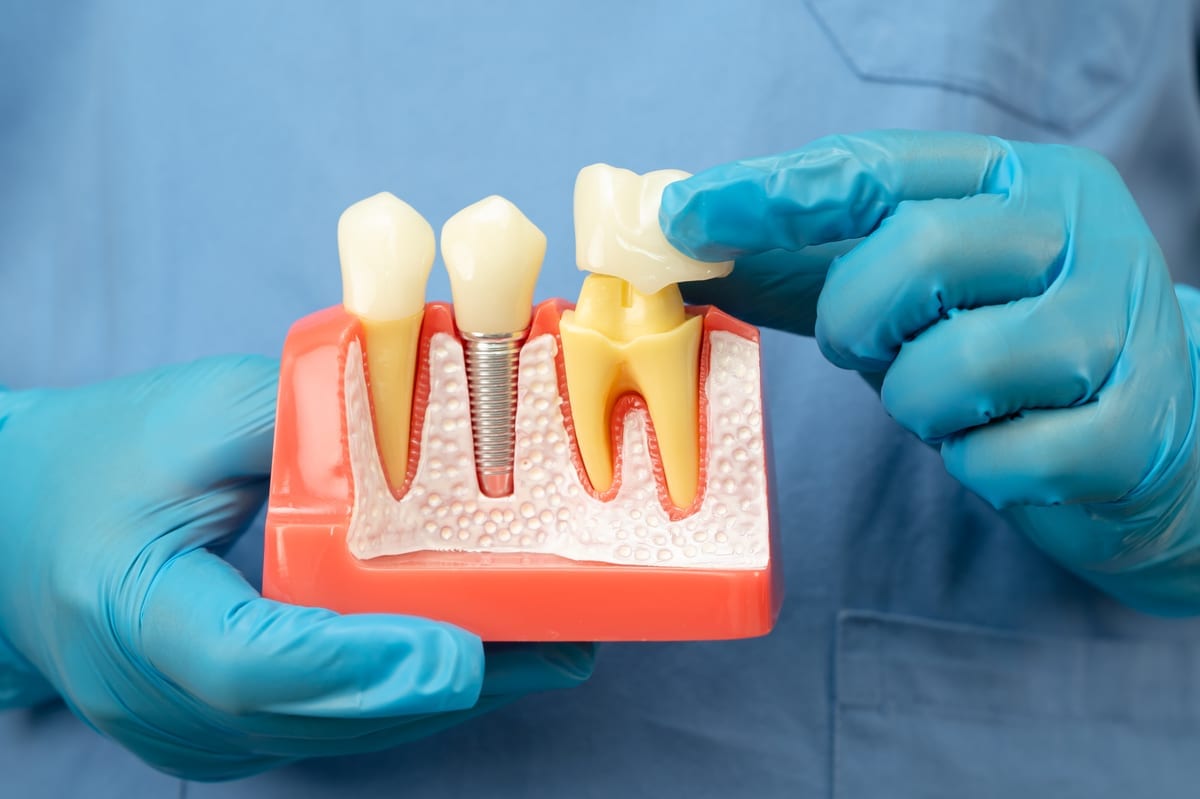
Dental implants offer a more permanent alternative. Implants are titanium posts placed directly into the jawbone, providing a stable foundation for crowns or implant-supported dentures. Many seniors are excellent implant candidates, though a thorough evaluation is always needed first.
- Implants prevent jawbone loss that occurs after tooth extraction
- They function just like natural teeth for eating and speaking
- Implants do not require adhesives or nightly removal
- With proper care, implants can last a lifetime
- Implant-supported dentures offer superior stability over traditional dentures
Dr. Mead evaluates bone density, overall health, and gum condition before recommending implants. Age alone is rarely a barrier to candidacy. Many patients in their 70s and 80s have successfully received implants.
Cosmetic and Preventive Care for Older Adults in Saginaw
Oral health and overall well-being are deeply connected, especially as we age. Gum disease has been linked to heart disease, diabetes complications, and respiratory problems. Keeping your mouth healthy is part of keeping your whole body healthy.
Seniors often notice their teeth becoming darker or more stained over decades of use. Coffee, tea, red wine, and certain foods contribute to discoloration. Cosmetic Dentistry options at Mead Family Dental Saginaw can brighten and restore the appearance of aging teeth. From whitening to veneers, there are solutions suited to every situation.
Preventive care remains the most powerful tool available. Twice-yearly cleanings and exams allow Dr. Mead to catch problems early. Early detection means simpler, less costly, and less invasive treatment every single time.
If it has been a while since your last dental visit, there’s no better time to reconnect with your oral health. Saginaw seniors deserve attentive, compassionate dental care that meets the specific needs of this stage of life.
Conclusion: Protecting Your Smile After 60 in Saginaw
Your oral health needs evolve significantly after age 60, but that doesn’t mean decline is inevitable. With the right care and guidance, seniors in Saginaw can maintain strong, functional, and beautiful smiles. Dr. Alan Mead and the team at Mead Family Dental Saginaw are here to walk alongside you through every stage of that journey. Book Now to schedule your appointment with our team.
Frequently Asked Questions
Why do seniors experience more cavities than younger adults?
Seniors often have reduced saliva flow due to medications, which increases cavity risk. Exposed root surfaces from gum recession are also more vulnerable to decay than enamel-covered teeth. Regular fluoride use and dental checkups help manage this effectively.
Are dental implants safe for patients over 70?
Yes, age alone does not disqualify someone from receiving dental implants. Dr. Mead evaluates bone density, gum health, and overall health before recommending implants. Many patients in their 70s and 80s are strong implant candidates and enjoy excellent results.
How can I manage dry mouth caused by my medications?
Staying hydrated, using alcohol-free dry mouth rinses, and chewing sugar-free gum can all help. Prescription-strength fluoride toothpaste is another useful option. Always discuss medication side effects with both your physician and your dentist.
How often should seniors visit the dentist?
Most seniors benefit from dental visits every six months for cleanings and exams. Some patients with active gum disease or high cavity risk may need more frequent visits. Dr. Mead will recommend a schedule tailored to your specific oral health needs.
What is gum recession and why is it more common after 60?
Gum recession occurs when gum tissue pulls away from the tooth, exposing the root surface. It becomes more common with age due to long-term gum disease, aggressive brushing, or natural tissue changes. Exposed roots decay faster than enamel, making prevention and early treatment essential.