Mead Family Dental


Most people are surprised to learn that dental implants last 25+ years—and here’s how to maximize yours in Saginaw. With proper care, many implants last a lifetime. But longevity is not automatic. It depends on your habits, your health, and the quality of care you receive. Dr. Alan Mead at Mead Family Dental Saginaw helps patients protect their implant investment for decades to come.
How Long Do Dental Implants Actually Last?
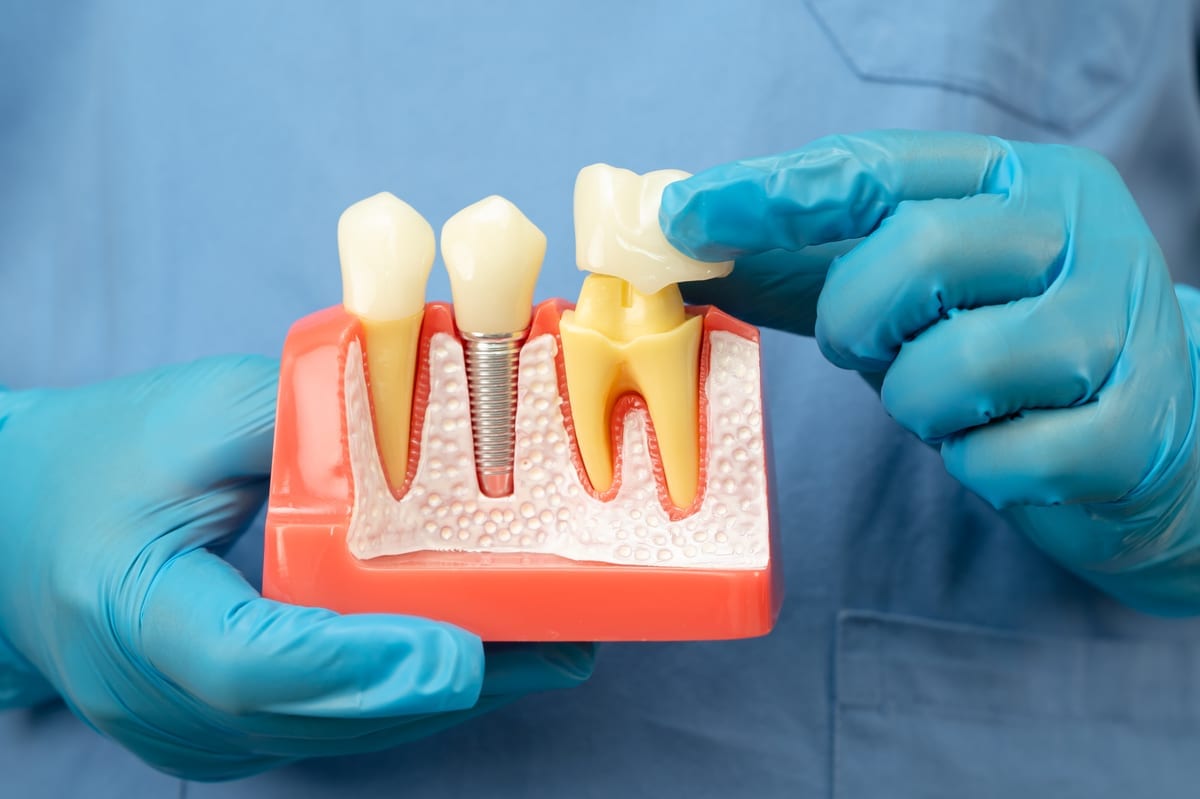
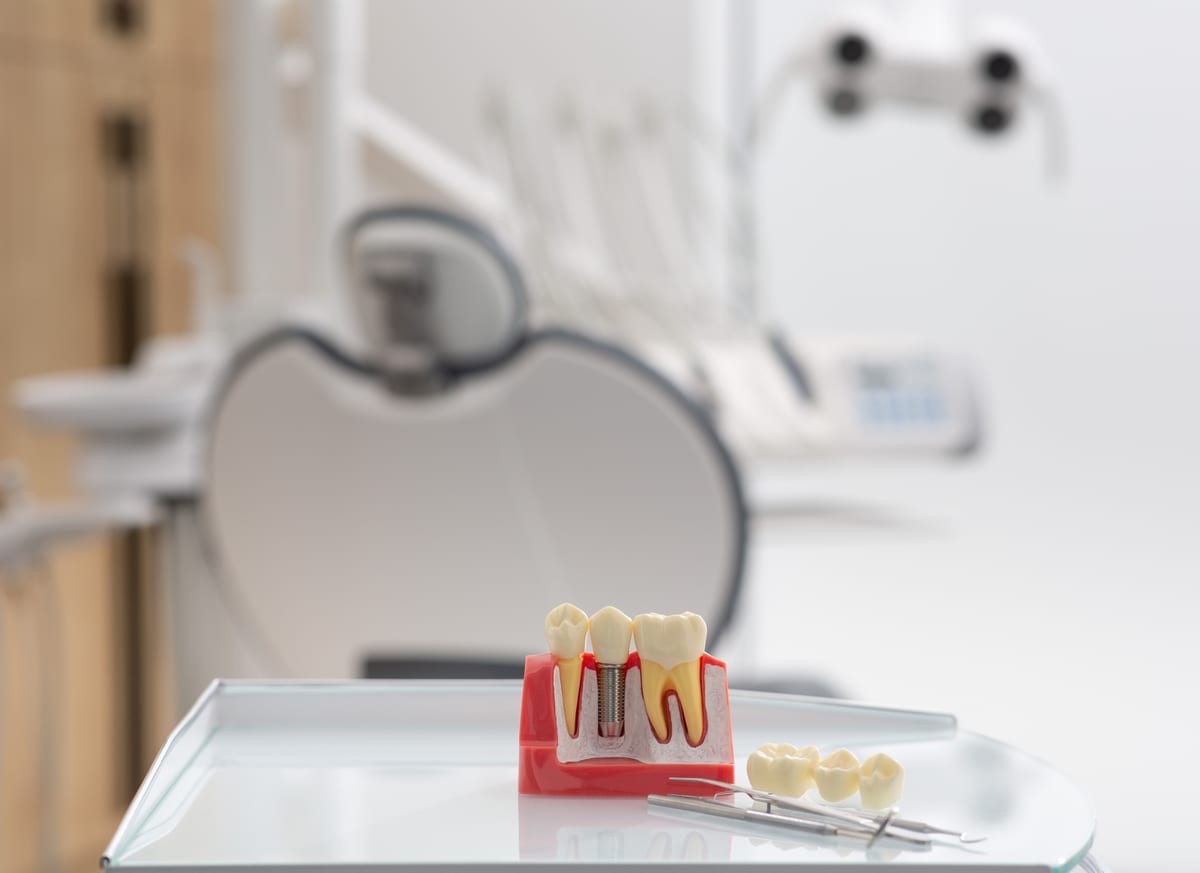
Studies consistently show that dental implants have a 95% success rate at the 10-year mark. Many patients enjoy healthy implants well past 25 years. The titanium post that fuses with your jawbone is designed to be permanent. However, the crown on top may need replacement after 10 to 15 years of normal wear.
This distinction matters. When people ask how long implants last, they often mean the whole system. The post rarely fails when placed correctly and cared for well. The crown is the part more likely to need attention over time. Understanding this helps you set realistic expectations.
Dental implants outperform most tooth replacement options in terms of longevity. Traditional bridges often need replacement within 10 to 15 years. Implants, by contrast, can outlast them significantly. That long-term value makes implants a smart choice for eligible patients.
Key Factors That Shorten Implant Lifespan
Several factors can cut an implant’s life short. Being aware of them puts you in control. Many are preventable with the right habits and professional guidance from your Saginaw dental team.
- Smoking and tobacco use: Tobacco restricts blood flow to gum tissue. This slows healing and increases implant failure risk significantly.
- Uncontrolled diabetes: High blood sugar impairs the body’s ability to heal. This can prevent the implant from fusing properly with the bone.
- Gum disease (peri-implantitis): Bacterial infection around an implant can destroy bone. This is one of the leading causes of late implant failure.
- Teeth grinding (bruxism): Grinding places excessive force on the implant and crown. It can loosen or crack the restoration over time.
- Poor oral hygiene: Plaque buildup around implants leads to infection. Consistent brushing and flossing are non-negotiable.
- Skipping dental checkups: Problems caught early are far easier to treat. Missing visits allows small issues to become serious ones.
None of these factors mean implants are off the table for you. Dr. Mead evaluates each patient individually. Many people with managed health conditions do very well with implants.
How to Make Your Dental Implants Last 25+ Years in Saginaw
Maximizing your implant lifespan starts the day you receive them. The steps are straightforward, but they require consistency. Here is what Dr. Alan Mead recommends for Saginaw patients who want lasting results.
- Brush twice daily with a soft-bristle brush. Soft bristles clean effectively without damaging gum tissue around the implant site.
- Floss or use an interdental brush daily. Food and bacteria collect around implants just as they do around natural teeth. Flossing removes what brushing misses.
- Use a low-abrasive toothpaste. Harsh abrasives can scratch the implant crown surface over time. Ask Dr. Mead for a product recommendation.
- Wear a night guard if you grind your teeth. A custom guard from Mead Family Dental distributes bite force evenly. This protects both your implant and natural teeth.
- Attend regular cleanings and checkups. Professional cleanings remove buildup that home care misses. Checkups allow Dr. Mead to monitor implant health closely.
- Avoid chewing extremely hard foods. Ice, hard candy, and certain nuts can crack the crown. Be mindful of what you bite into.
These habits sound simple because they are. Yet they make an enormous difference. Patients who follow these steps consistently give their implants the best possible chance of a lifetime of service.
The Role of Restorative and Cosmetic Dentistry in Implant Success
Dental implants do not exist in isolation. They work best as part of a comprehensive approach to your oral health. Restorative Dentistry services at Mead Family Dental ensure the foundation around your implant stays healthy. Treating gum disease, addressing bite issues, and restoring neighboring teeth all contribute to long-term implant success.
Implants also connect closely with Cosmetic Dentistry goals. Many patients replace missing teeth with implants and then enhance surrounding teeth with veneers or whitening. A cohesive smile plan ensures your implant blends beautifully with the rest of your teeth. Dr. Mead takes a whole-mouth approach so every part of your smile supports the others.
Bone health is another critical factor. Your jawbone must have enough density to support the implant post. If bone loss has occurred, a bone grafting procedure may be needed first. Dr. Mead assesses this thoroughly during your consultation.
What to Expect at Your Implant Checkup in Saginaw
Regular checkups are not just routine—they are essential for implant longevity. Dr. Mead examines the implant site at every visit. He checks for signs of peri-implantitis, bone loss, or crown wear. Catching problems early prevents costly complications later.
During a professional cleaning, your hygienist uses specially designed tools for implants. These tools clean effectively without scratching the titanium surface. The cleaning removes calculus buildup that can trigger gum inflammation. This step alone significantly extends implant life.
X-rays taken periodically allow Dr. Mead to monitor bone levels around the implant. Gradual bone loss can occur without obvious symptoms. Early detection allows for timely intervention. Staying current with your appointments in Saginaw protects your long-term outcome.
Frequently Asked Questions
How long do dental implants last on average?
With proper care, dental implants can last 25 years or more—often a lifetime. The titanium post is designed to be permanent. The crown placed on top may need replacement after 10 to 15 years depending on wear. Consistent oral hygiene and regular dental visits are the biggest factors in maximizing longevity.
What is the most common reason dental implants fail?
Peri-implantitis—a bacterial infection around the implant—is one of the most common causes of failure. It is similar to gum disease and can destroy the bone that supports the implant. Other common causes include smoking, uncontrolled diabetes, and teeth grinding. Many of these risks can be managed with proper care and regular checkups.
Can I get dental implants if I have gum disease?
Active gum disease must be treated before implant placement. Placing an implant in an unhealthy mouth significantly increases failure risk. Dr. Mead will assess your gum health during a thorough consultation. Once gum disease is under control, many patients become good candidates for implants.
Do dental implants require special cleaning products?
You do not need a complicated routine to care for implants. A soft-bristle toothbrush, low-abrasive toothpaste, and daily flossing are the basics. Water flossers can also be very effective around implant sites. Dr. Mead can recommend specific products based on your individual needs at Mead Family Dental Saginaw.
Is it too late to get dental implants if I have had bone loss?
Not necessarily. Bone loss can often be addressed with a bone graft procedure before implant placement. The extent of bone loss determines whether grafting is needed and what type. Dr. Alan Mead evaluates each patient’s bone structure carefully to develop the right treatment plan for long-term success.
Dental implants are one of the most durable tooth replacement options available today. With the right care and professional support, they can truly last a lifetime. Dr. Alan Mead and the team at Mead Family Dental Saginaw are here to guide you every step of the way. Book Now to schedule your appointment with our team.