Mead Family Dental



Here is a hard truth most Saginaw patients learn the expensive way. A cavity caught early costs a small fraction of what it costs once it reaches the nerve. The difference between a simple filling and a root canal can be thousands of dollars. At Mead Family Dental Saginaw, we want to help you catch small cavities now, not $2,000 root canals later in Saginaw — and it all starts with a routine checkup.
Why Small Problems Become Big Expenses
Your teeth do not send out warning signals right away. A tiny cavity can sit quietly for months before you feel any pain. By the time it hurts, it has usually spread much deeper into the tooth structure. That is when simple, affordable treatment turns into a costly procedure.
Think about it this way. A small filling typically costs between $100 and $300. A root canal, on the other hand, can easily run $1,000 to $2,000 or more — before adding a crown. The tooth decay did not jump to that level overnight. It grew slowly while the patient skipped their routine visits.
Early detection changes that outcome completely. When Dr. Alan Mead spots a cavity in its earliest stage, treatment is faster, easier, and far more affordable. Patients leave with less drilling, less discomfort, and much lighter bills.
What Happens During a Routine Checkup That Catches Cavities Early
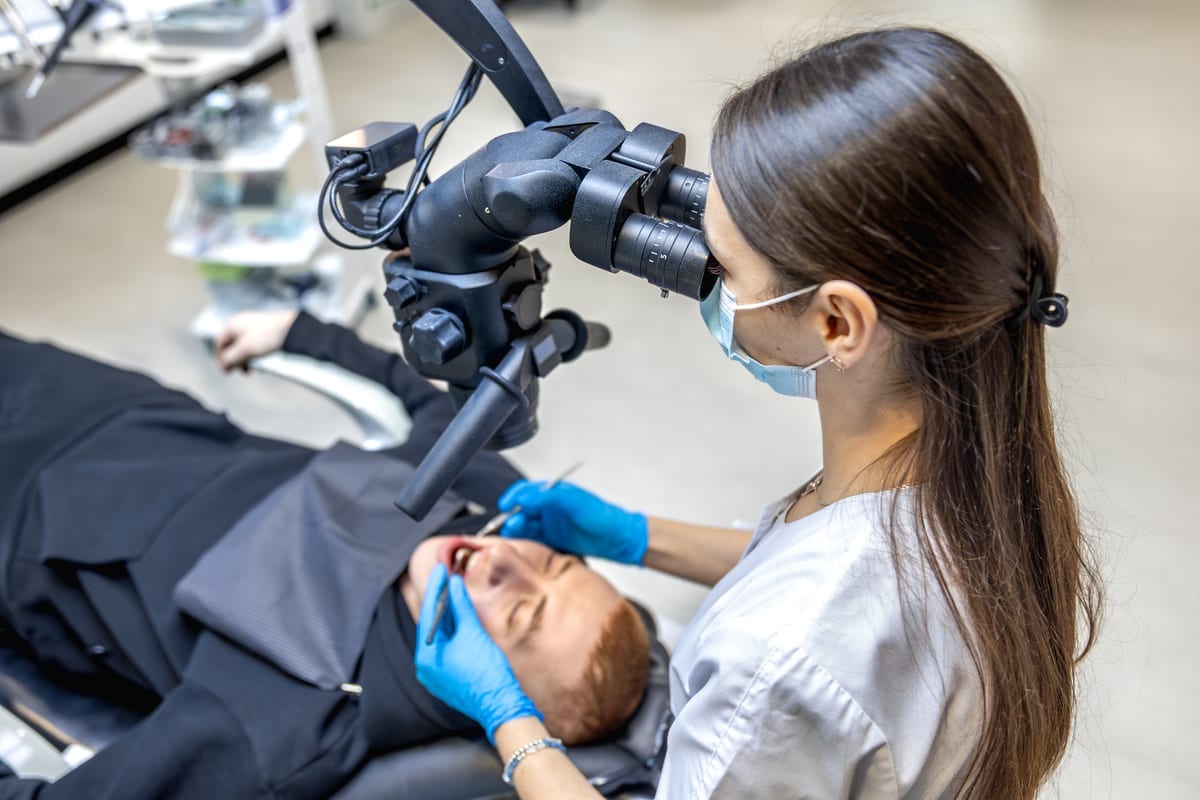
A standard dental checkup at Mead Family Dental is more thorough than most patients expect. Dr. Mead examines each tooth visually and uses dental instruments to probe for soft spots. Digital X-rays reveal decay hiding between teeth or beneath the surface — places a mirror simply cannot reach.
Here is what a typical early-detection visit includes:
- A full visual exam of every tooth and the surrounding gum tissue
- Digital X-rays to catch hidden decay between and below teeth
- A professional cleaning to remove plaque buildup that causes cavities
- Gum health screening to catch early signs of gum disease
- A personalized discussion of any concerns found during the exam
This process takes less than an hour. Yet it can reveal a cavity small enough to fix with a single simple filling. Catching it at that stage keeps your tooth strong and your wallet intact.
Real-Life Examples of Early Detection Saving Saginaw Patients Money
Imagine a Saginaw patient who skips their checkup for two years. They feel no pain, so they assume everything is fine. At their next visit, the dentist finds decay that has reached the inner pulp of the tooth. Now they need a root canal and a crown — a combined cost that can easily exceed $2,500.
Compare that to a patient who keeps their six-month appointments. Their dentist spots a tiny soft spot during the exam. One small filling fixes the problem in a single visit for under $200. Same tooth, completely different outcome — all because of timing.
This is not a rare scenario. It happens every week in dental offices across Saginaw. The good news is that it is entirely preventable with consistent, routine care.
The same logic applies to Restorative Dentistry needs. Catching cracks, worn enamel, or damaged fillings early means simpler repairs. Waiting until a tooth breaks often requires more extensive and expensive intervention.
Beyond Cavities: Other Problems Early Detection Can Prevent
Cavities are not the only issue that grows more expensive with time. Gum disease starts as mild inflammation called gingivitis. Caught early, it can be reversed with professional cleaning and better home care. Left untreated, it progresses to periodontitis — a condition that can cause tooth loss and require surgical treatment.
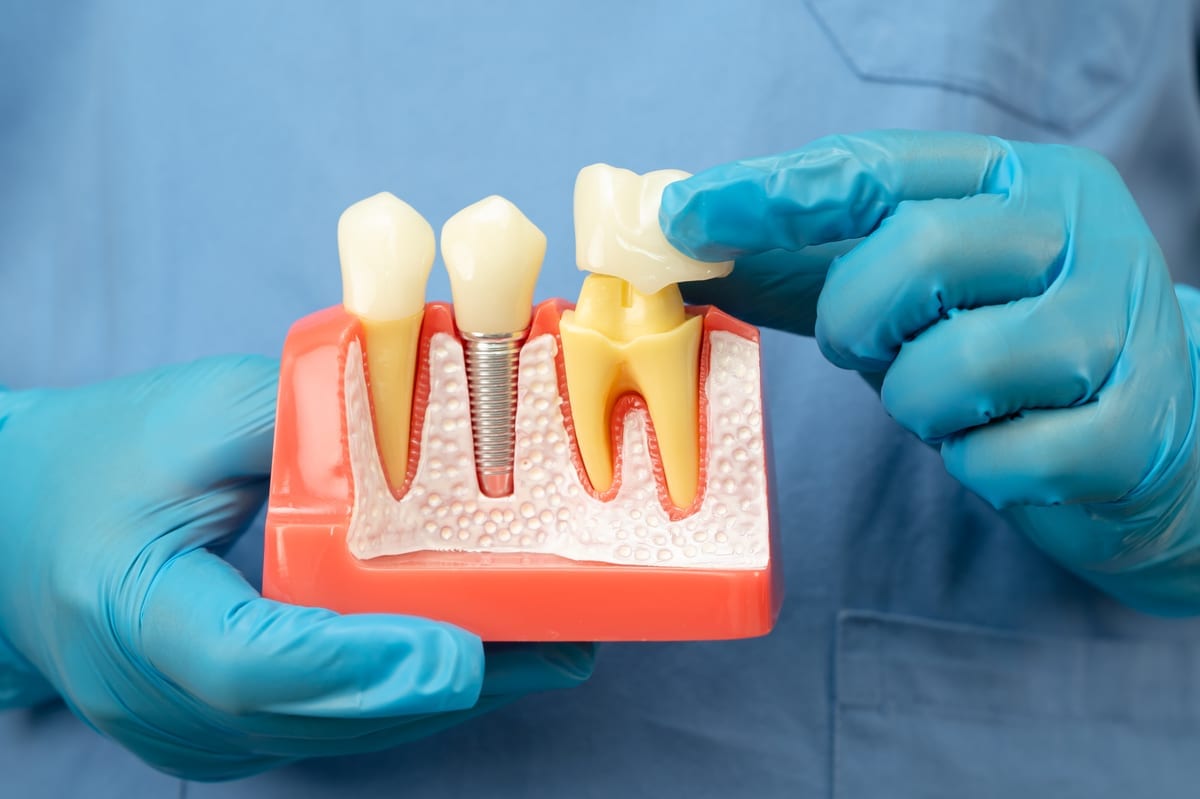
Cracked teeth are another example. A small crack caught at a checkup may need only a crown. A crack that extends to the root may require extraction and a dental implant to replace the lost tooth. The cost difference is significant.
Here are other conditions that early detection can address before they escalate:
- Enamel erosion that leads to sensitivity and structural damage
- Early gum recession that can advance to bone loss
- Worn-down teeth from grinding that weaken enamel over time
- Old fillings that are failing and leaking bacteria into the tooth
- Early signs of oral cancer that require immediate attention
Each of these conditions follows the same pattern. Small and manageable now, or large and costly later. Routine visits give Dr. Mead the opportunity to intervene at the right moment.
How Cosmetic Goals Also Benefit from Early Dental Care
Many Saginaw patients dream of a brighter, straighter smile. What they may not realize is that early dental health sets the foundation for great cosmetic results. You cannot place veneers or complete whitening treatment on unhealthy teeth. Decay and gum disease must be addressed first.
Patients interested in Cosmetic Dentistry options benefit greatly from staying current on their checkups. Healthy teeth respond better to whitening. Stable gum tissue supports veneers properly. Good oral health makes every cosmetic result last longer.
Investing in prevention now also means your cosmetic work has a solid base to stand on for years. Dr. Mead takes a whole-mouth approach to every patient. That means addressing health before aesthetics — and making sure both goals are achievable together.
Making Early Detection a Habit in Saginaw
The most effective thing any Saginaw resident can do for their dental health is simple. Schedule and keep two checkup appointments every year. That six-month window is the sweet spot for catching most dental problems before they escalate.
Between visits, brushing twice daily and flossing once daily slows plaque development significantly. Staying hydrated and limiting sugary drinks also reduces cavity risk. But home care alone cannot replace a professional exam and cleaning.
Dr. Alan Mead and the team at Mead Family Dental Saginaw make every visit comfortable and efficient. The goal is always to give you the information you need to make smart decisions about your oral health. Early detection is not about fear — it is about staying in control of your smile and your budget.
Do not wait for tooth pain to push you through the door. Schedule your visit before a small cavity becomes a costly root canal. Book Now to schedule your appointment with our team.
Frequently Asked Questions
How often should I visit the dentist to catch cavities early?
Most dental professionals recommend visiting every six months for a routine checkup and cleaning. Some patients with a higher risk of cavities or gum disease may benefit from visits every three to four months. Dr. Mead will recommend a schedule based on your individual oral health needs.
Can a cavity really turn into a root canal if I wait too long?
Yes, absolutely. Tooth decay begins in the outer enamel layer and progresses inward over time. Once it reaches the inner pulp — where the nerves and blood vessels live — a root canal becomes necessary to save the tooth. Catching decay in the enamel stage means only a simple filling is needed.
What does a small cavity feel like, and will I know if I have one?
Most small cavities produce no noticeable symptoms at all. That is what makes them so easy to miss without a professional exam. Some patients notice brief sensitivity to cold or sweet foods, but many feel nothing until the decay has advanced significantly. This is exactly why routine checkups matter so much.
Is a professional cleaning really necessary if I brush and floss every day?
Yes, professional cleanings remove hardened tartar that brushing and flossing cannot eliminate at home. Tartar buildup creates an environment where cavities and gum disease develop more easily. A professional cleaning also allows the hygienist and Dr. Mead to spot early warning signs that would otherwise go unnoticed.
What should I do if I have not been to the dentist in several years?
The best step is to schedule an appointment as soon as possible. Dr. Mead approaches every patient without judgment. A comprehensive exam will identify any current issues, and the team will create a clear, prioritized treatment plan that addresses the most urgent needs first and fits your comfort level.