Mead Family Dental


Dental Implants: A Complete First-Time Patient Guide
If you are considering dental implants for the first time, it is completely normal to feel nervous. Many patients arrive at Mead Family Dental Saginaw with questions and concerns before their first visit. This guide is designed to walk you through everything — from what implants actually are to what to pack on appointment day. Our goal is to educate you so you feel confident and prepared.
What Are Dental Implants and How Do They Work?
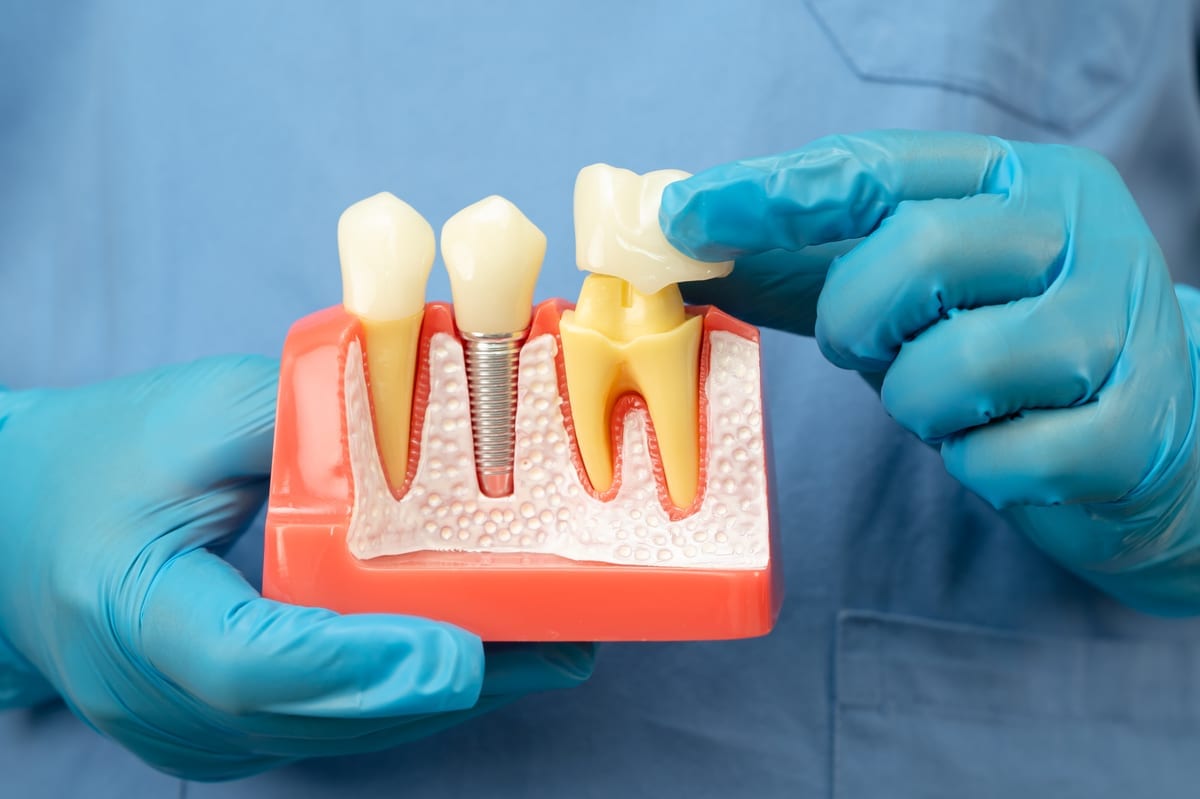
Dental implants are replacement tooth roots. They are small titanium posts that a dentist places directly into your jawbone. Over time, the bone grows around the post in a process called osseointegration — a fancy word that simply means the implant fuses with your jaw.
Once the implant is stable, a connector piece called an abutment is attached to the top. A custom-made crown — a tooth-shaped cap — is then placed on the abutment. The final result looks and functions like a natural tooth.
Implants differ from dentures because they are permanent. They do not slip, click, or need adhesive. They also help preserve your jawbone, which can shrink after tooth loss.
Common First-Time Anxieties — Addressed Honestly
It is very common to worry before any dental procedure. Many first-time implant patients share the same fears. Understanding those fears helps reduce them significantly.
Will it hurt? Most patients report feeling pressure during placement, not sharp pain. Local anesthesia numbs the area completely before the procedure begins. Post-procedure soreness is manageable and typically lasts only a few days.
How long does it take? The full process — from placement to final crown — usually spans several months. This is because your jawbone needs time to fuse with the implant. However, each individual appointment is shorter than most patients expect.
Am I a good candidate? Good candidates generally have healthy gums and enough jawbone to support the implant. Our dental team at Mead Family Dental Saginaw will evaluate your specific situation during your first visit. There is no universal answer, but a thorough exam gives you a clear picture.
Understanding the Dental Implant Process Step by Step
Knowing what to expect makes the experience far less intimidating. Here is a simple breakdown of the typical implant journey:
- Initial consultation: X-rays and a full exam assess your bone health and overall oral condition.
- Treatment planning: Our dental team creates a personalized plan based on your specific needs.
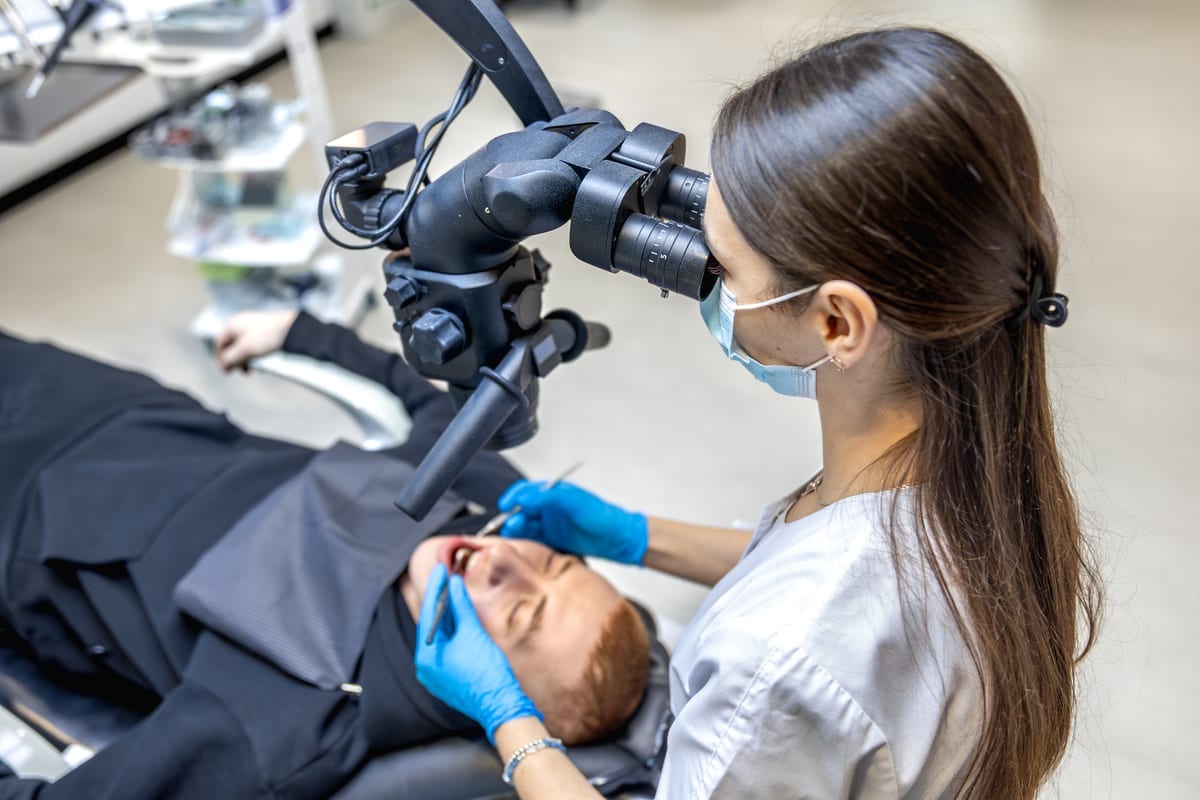
- Implant placement: The titanium post is surgically placed into the jawbone under local anesthesia.
- Healing period: The jawbone fuses with the implant over several weeks to months.
- Abutment placement: A small connector is attached to the implant once healing is complete.
- Crown placement: A custom crown is fitted, completing your new tooth.
- Follow-up visits: Routine check-ins confirm everything is healing and functioning properly.
Each stage has its own timeline. Your care team will walk you through every transition so nothing feels like a surprise.
What to Bring to Your First Dental Implants Appointment
Arriving prepared makes your first visit run smoothly. It also helps our team gather the information needed to create your personalized plan. Here is exactly what to bring:
- A valid photo ID
- A list of all current medications and supplements
- Any recent dental X-rays if you have them
- A written list of your questions and concerns
- Your medical history summary, including any chronic conditions
- A trusted friend or family member if you want support
You do not need to bring anything elaborate. Honest communication and your health history are the most valuable tools in your first appointment.
Late Spring Is a Great Time to Start Your Implant Journey
May is an energizing time of year. Graduations, proms, and warm weather have people thinking about their appearance and confidence. A missing tooth can affect how you smile in photos and how you feel in social situations.
Starting your dental implants process now means you could have your new smile well before the busy summer season. Many patients at Mead Family Dental Saginaw begin consultations in late spring so healing progresses during the warmer, relaxed months ahead.
Spring also tends to be a time when families are thinking about health goals. If someone you love is dealing with tooth loss, a consultation appointment makes a thoughtful and meaningful gift this Mother’s Day season.
The temperate climate this time of year also supports comfortable recovery. Mild temperatures mean you can rest and heal without the extremes of deep winter or peak summer heat affecting how you feel.
How to Care for Your Implant After Placement
Post-procedure care is simpler than most patients expect. Following these guidelines protects your investment and supports faster healing.
In the first 24 hours, avoid hot liquids and hard foods. Gentle rinsing with warm salt water reduces inflammation and keeps the area clean. Avoid vigorous brushing near the surgical site during early healing.
Long-term care mirrors regular oral hygiene. Brush twice daily, floss carefully around the implant, and attend your scheduled check-up appointments. Implants do not decay, but the surrounding gum tissue still requires proper care.
Our dental team will give you a personalized aftercare sheet before you leave your appointment. You will never be left guessing about what to do next.
To learn more about our full range of dental services available at Mead Family Dental Saginaw, visit our services page. You can also read more about our team and our approach to patient-centered care.
Conclusion: You Are More Ready Than You Think
Getting dental implants for the first time does not have to feel overwhelming. With the right information, you can walk into your first appointment feeling calm and prepared. Our dental team at Mead Family Dental Saginaw is here to answer every question and guide you through each stage with clarity and care. Learn More about how we can help you.
Frequently Asked Questions
How long do dental implants last?
With proper care, dental implants can last a lifetime. The titanium post itself is designed to be permanent. The crown on top may need replacement after 10 to 15 years depending on wear, but the implant base typically remains stable for decades.
Does the dental implant procedure hurt?
Most patients experience pressure during placement rather than sharp pain. Local anesthesia is used to numb the area before the procedure begins. After the appointment, mild soreness is common for a few days and is usually manageable with over-the-counter pain relief.
How do I know if I am a good candidate for dental implants?
Good candidates typically have healthy gums, sufficient jawbone density, and no untreated oral infections. Certain health conditions may require additional evaluation. A comprehensive exam and X-rays at your first visit will give our dental team the information needed to advise you accurately.
How do I care for my dental implant after surgery?
In the first day or two, stick to soft foods and avoid hot liquids. Gently rinse with warm salt water to reduce swelling. Long-term care involves regular brushing, flossing, and routine dental check-ups — the same habits that protect your natural teeth.
How many appointments does the dental implant process require?
The total number of appointments varies by patient, but most people can expect four to six visits spread over several months. This includes your consultation, implant placement, healing check-ins, and final crown placement. Our dental team will outline your specific schedule during your first appointment.