Mead Family Dental



If your teeth feel sensitive during a cleaning, you are not alone. Many patients in Saginaw Township North experience this exact concern. Understanding why your teeth feel sensitive during cleaning—and how we stop it—can make your next visit much easier. At Mead Family Dental Saginaw, Dr. Alan Mead and our hygiene team work hard to keep every patient comfortable.
What Causes Tooth Sensitivity During a Dental Cleaning?
Sensitivity during a cleaning usually comes from exposed dentin. Dentin is the softer layer beneath your tooth enamel. When enamel wears down or gums recede, dentin becomes exposed to pressure and temperature changes.
Several common factors can increase sensitivity during cleanings:
- Gum recession that exposes root surfaces
- Thin or worn tooth enamel
- Teeth grinding or clenching over time
- Early signs of gum disease causing inflammation
- Cavities or cracked teeth that haven’t been treated yet
Our hygienist will identify these factors before starting your cleaning. Knowing the cause helps us adjust our technique right away. You do not have to white-knuckle through discomfort at our office.
How Our Saginaw Township North Hygienists Minimize Your Discomfort
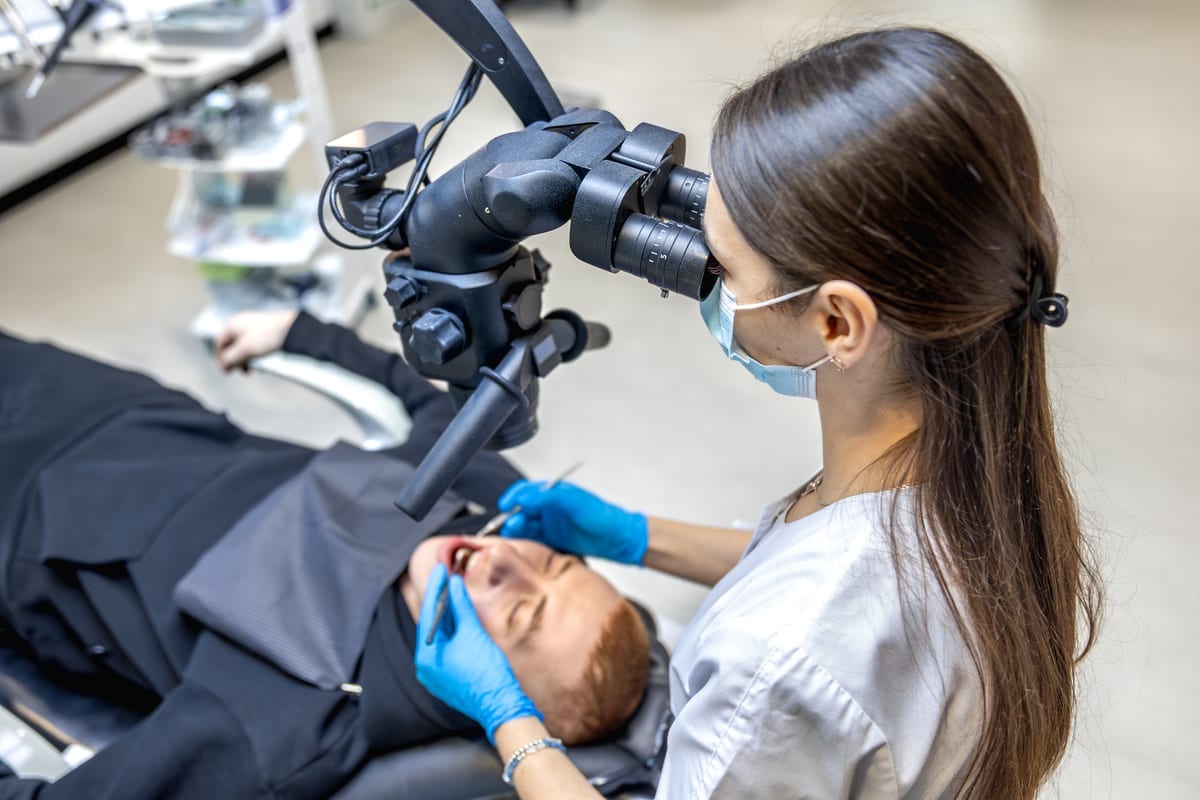
Our team takes a gentle, patient-centered approach to every cleaning. We do not rush through your appointment. Communication is a key part of our process from the very first moment.
Here is what our hygienists do to reduce sensitivity during your visit:
- Ask about your sensitivity beforehand — We review your dental history and ask specific questions.
- Use ultrasonic scalers thoughtfully — These tools vibrate plaque away with less pressure than manual scraping.
- Apply desensitizing gel or varnish — A fluoride varnish can temporarily block sensitive areas before cleaning begins.
- Work in smaller sections — Breaking up the cleaning into smaller zones reduces prolonged exposure to sensitive spots.
- Take breaks when needed — We encourage you to raise your hand if discomfort spikes at any point.
These steps make a real difference for anxious or sensitive patients. Our goal is always a cleaning you can tolerate comfortably. You deserve to leave feeling refreshed, not rattled.
When Sensitivity Points to a Bigger Problem
Sometimes sensitivity during cleaning is a signal worth investigating further. It may indicate gum disease, enamel erosion, or an untreated cavity. Dr. Alan Mead may recommend additional treatment if the hygienist notices concerning signs.
For example, gum disease causes the gum tissue to pull away from teeth. This exposes sensitive root surfaces directly to cleaning instruments. Treating the underlying gum disease usually reduces sensitivity significantly over time.
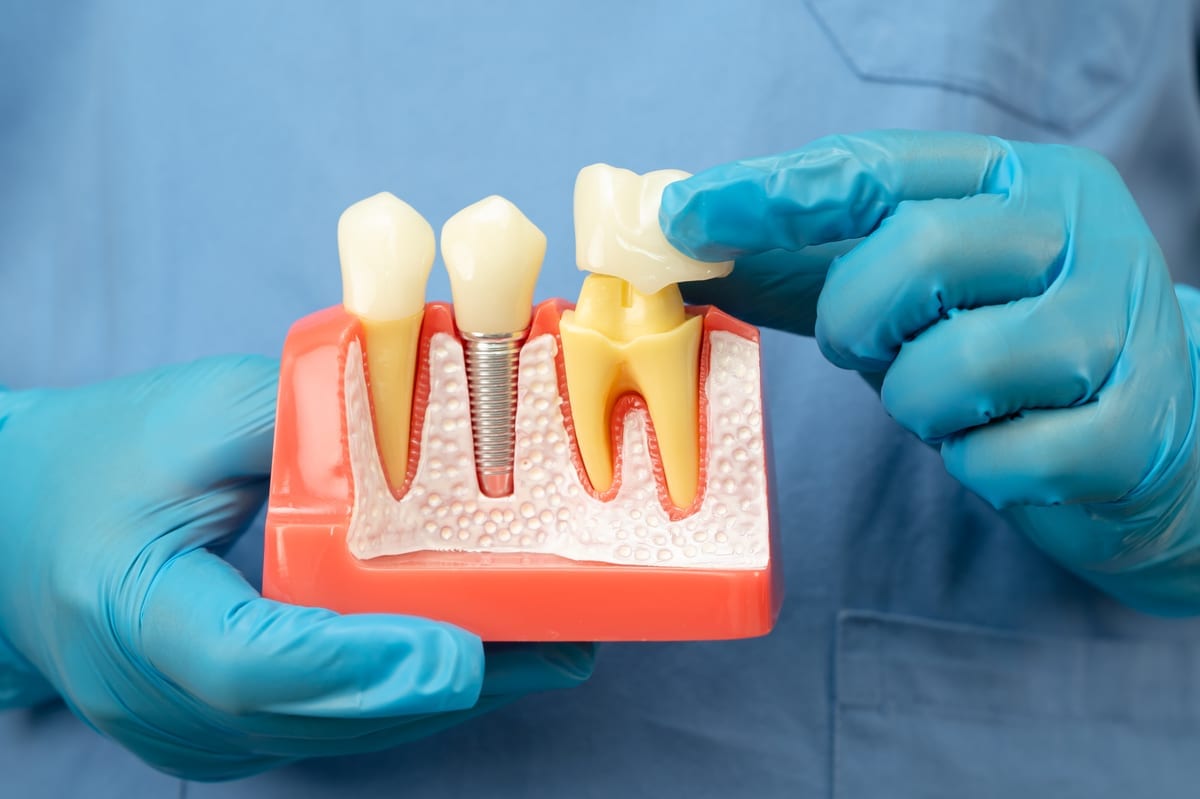
In some cases, a tooth may need Restorative Dentistry to address damage causing the pain. A dental crown or filling can protect exposed or damaged areas. Treating the root cause is always better than managing symptoms alone.
We will never alarm you unnecessarily. If Dr. Mead spots something, he will explain it clearly and calmly. Our entire team believes you should always understand your own oral health.
Tips to Reduce Sensitivity Before and After Your Cleaning
You can take proactive steps to reduce sensitivity on your own. Starting these habits before your appointment can make a noticeable difference. Consistency between visits matters just as much as the cleaning itself.
- Use a soft-bristled toothbrush to avoid enamel wear
- Try a sensitivity toothpaste with potassium nitrate or stannous fluoride
- Avoid highly acidic foods and drinks before your appointment
- Drink water throughout the day to maintain a healthy saliva flow
- Let your hygienist know if sensitivity has gotten worse since your last visit
After your cleaning, sensitivity may linger for a day or two. This is completely normal. Avoiding very hot or cold foods on the day of your appointment can help you recover faster.
If sensitivity lasts more than a few days after a cleaning, call us. That kind of lingering discomfort may point to something that needs attention. Dr. Mead will make sure you get the right answers quickly.
Why Anxious Patients Trust Dr. Alan Mead in Saginaw Township North
Dental anxiety is incredibly common. Many people avoid the dentist specifically because of past painful cleanings. Dr. Alan Mead and the Mead Family Dental Saginaw team understand this deeply.
We approach every nervous patient with patience and empathy. We never judge you for feeling anxious or for avoiding the dentist in the past. Our only goal is to help you feel safe and supported in our chair.
We also offer options that go beyond standard cleanings. For patients with significant enamel concerns or cosmetic goals, Cosmetic Dentistry solutions can restore both the look and the health of your smile. Protecting your teeth from further sensitivity is always part of the bigger picture.
Patients from across Saginaw Township North choose our practice because we listen. We take your concerns seriously every single visit. That trust is something we work to earn again every time you sit in our chair.
Conclusion: You Deserve a Comfortable Cleaning Every Time
Tooth sensitivity during a cleaning does not have to be something you dread. Understanding the cause gives you power over the experience. Our team in Saginaw Township North is here to address sensitivity with skill and compassion at every appointment.
Dr. Alan Mead and the Mead Family Dental Saginaw team are ready to make your next cleaning a positive experience. Do not put off your oral health because of past discomfort. Book Now to schedule your appointment with our team.
Frequently Asked Questions
Is it normal for teeth to feel sensitive after a professional cleaning?
Yes, mild sensitivity after a cleaning is very common. The instruments used to remove plaque and tartar can temporarily irritate gum tissue and exposed dentin. This usually fades within one to two days. If sensitivity lasts longer, contact our office so we can evaluate the cause.
Can I ask my hygienist to be gentler if I have sensitive teeth?
Absolutely. We encourage all patients to speak up before and during their cleaning. Our hygienists in Saginaw Township North are trained to adjust their technique based on your comfort level. You can raise your hand at any time to pause or slow down the appointment.
Does desensitizing toothpaste really help before a dental cleaning?
Yes, using a desensitizing toothpaste for two to four weeks before your appointment can reduce nerve sensitivity noticeably. Look for products containing potassium nitrate or stannous fluoride. Ask Dr. Mead or your hygienist which product they recommend for your specific situation.
Could my sensitivity during cleanings be a sign of gum disease?
It can be. Gum disease causes inflammation and gum recession, which exposes sensitive root surfaces. If your hygienist notices signs of gum disease, Dr. Mead will discuss a treatment plan with you. Addressing gum disease directly often reduces sensitivity over time.
How often should sensitive-teeth patients schedule professional cleanings?
Most patients benefit from cleanings every six months. However, patients with gum disease or high cavity risk may need more frequent visits. Dr. Alan Mead will recommend a cleaning schedule tailored to your specific oral health needs during your appointment.