Mead Family Dental


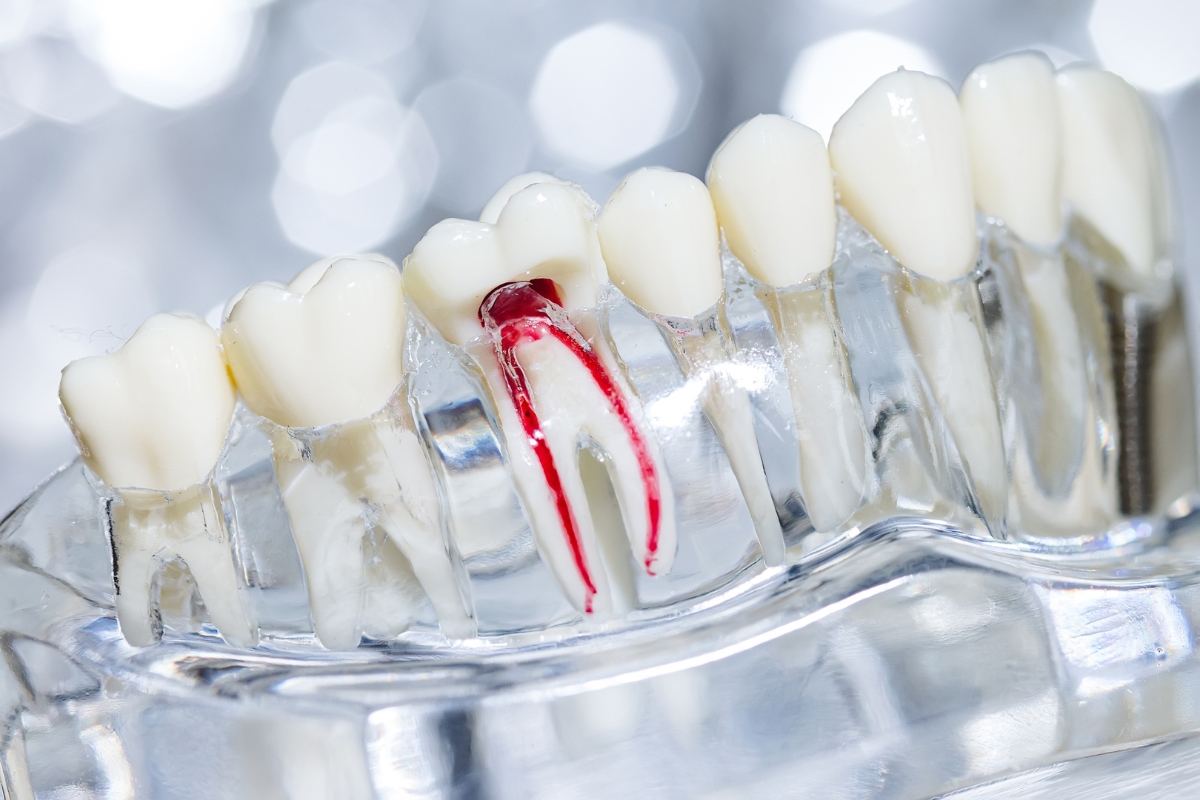
Tooth sensitivity can be a real pain. Whether it’s set off by a piping-hot cup of coffee or an icy breeze, it can disrupt your day-to-day and put you in guessing mode. Many people consider a sensitive tooth to be a minor pain; however, if your teeth hurt frequently, it could be a sign of a more serious problem. This sensitivity can indicate damage or infection within your tooth, which is why root canal therapy is necessary.
In this blog, you will learn why chronic tooth sensitivity might be a sign that you need a root canal. Root canal treatment could fix an underlying issue causing you discomfort, and it can help you feel more confident in seeking treatment by understanding what is involved. By the end of this blog, you will know how this procedure works, what to expect, and why it is so essential for your health.
What Causes Tooth Sensitivity?
Generally, tooth sensitivity indicates that something inside the tooth is not okay. The nerves within the pulp are exposed to external stimuli, such as temperature or pressure, which can cause discomfort. This occurs with dentin exposure due to cavities, cracked teeth, or gum recession, which may eventually lead to an infection. The pain you feel is your body’s warning that the pulp, the soft tissue inside your teeth, is probably being irritated by bacteria.
Such is the case when the pulp becomes infected or damaged-it turns into a serious dental problem. If left untreated, this could lead to abscess formation in the tooth and may result in complications such as bone damage or even tooth loss. In Root Canal Therapy, the most effective method of removing the infection and saving the tooth is used to maintain your oral health.
Root Canal Treatment Steps
A root canal is a standard dental procedure that can help alleviate dental pain and restore your full tooth function. Although the procedure might sound intimidating, the process has been designed to eliminate infection and save your tooth with minimal discomfort. Here’s how root canal therapy in Saginaw, MI, is usually performed:
- Anaesthesia: The dentist or endodontist will anesthetize the area around the affected tooth to assure comfort throughout the procedure.
- Access to the Pulp: A small hole is drilled into the tooth to reach and eliminate the pulp soft tissue inside the tooth, and remove infected tissue.
- Cleaning and Disinfecting: Thoroughly cleaning and disinfecting the pulp chamber removes bacteria and prevents future infection.
- Sealing the Tooth: After cleaning, the space is filled with a rubber-like material to seal the space and protect it from further infection.
- Placing a Crown: Lastly, the tooth is capped with a crown that will restore its function, appearance, and strength.
Is Root Canal Painful?
Many people are fearful of root canal therapy, believing it to be extremely painful; however, this is a misnomer. With modern anesthesia techniques, the actual procedure itself usually causes no more discomfort than having a filling done. The discomfort most people experience is generally limited to a dull ache in the days after the procedure. Any pain should be manageable with over-the-counter medications and should subside quickly as your tooth heals.
Root canal therapy will eliminate the source of your tooth pain and prevent further complications. The benefits well outweigh any temporary discomfort during your recovery.
How Long Does a Root Canal Take?
On average, a root canal can take 1 to 2 hours. The time it takes really depends on the complexity of a case. If the tooth has more intricate roots or there’s significant infection, it may also require multiple visits.
Although the procedure does not take very long, it is worth considering the recovery time afterward. You may experience some discomfort for a few days, but over time, the pain should gradually subside as the tooth heals. Root canal recovery time varies for everyone, depending on how well you take care of yourself afterward, but it usually takes about a week for most people. In the meantime, avoid chewing on the treated tooth, and follow your dentist’s advice.
Why Root Canal Therapy is Important for Your Health
Besides immediate relief, root canal therapy saves the tooth and prevents further infection in other parts of your mouth and body. Saving the natural tooth eliminates the need for more invasive procedures, such as tooth extraction and implants. Maintaining your teeth is very critical to your overall health, as missing teeth can affect chewing and speaking, and may affect the proper alignment of your bite.
Take the First Step to Relief
If you are suffering from chronic tooth sensitivity, root canal therapy may be in order. This procedure will save your tooth, eliminate the pain, and restore your smile to full function. Don’t let something as simple as tooth sensitivity lead to more serious problems down the road.
If you’re ready to take the next step, speak to your dentist or endodontist today about root canal therapy in Saginaw, MI. Early intervention is key to preserving your dental health and avoiding future complications. Book your consultation now and start your journey towards a healthier, pain-free smile!
FAQs
- What causes tooth sensitivity?
Tooth sensitivity is typically caused by damage to the enamel or infection in the tooth pulp. This may occur due to cavities, gum recession, or tooth cracks. - How long does a root canal take?
On average, a root canal takes one to two hours. The duration depends on the tooth’s complexity and the extent of the infection. - Is root canal therapy painful?
Root canal therapy is not typically painful, thanks to modern anesthesia. Any discomfort afterward is mild and can be managed with over-the-counter pain relief. - What is the recovery time after a root canal?
Most people experience mild discomfort for a few days after a root canal. Full recovery usually takes about a week, depending on the individual’s healing process. - How do I know if I need a root canal?
If you experience constant tooth pain, sensitivity to hot and cold, or swelling around the tooth, you may need a root canal. Your dentist can provide an accurate diagnosis after an examination. - Can a root canal save a tooth?
Yes, root canal therapy removes the infection and preserves the tooth. It helps prevent the need for extraction and restores the tooth to its full function.