Mead Family Dental


If you’ve asked a friend about their root canal bill, you may have been surprised. Their cost looked nothing like the quote you received. Understanding why root canal costs vary so much between teeth in Saginaw helps you make confident, informed decisions. At Mead Family Dental Saginaw, Dr. Alan Mead believes every patient deserves a clear explanation — not just a number.
Several distinct factors drive the price of root canal treatment. None of them are arbitrary. Each one reflects real differences in time, skill, and the anatomy of your specific tooth. Let’s break down what actually matters.
Tooth Location Is One of the Biggest Cost Drivers in Saginaw
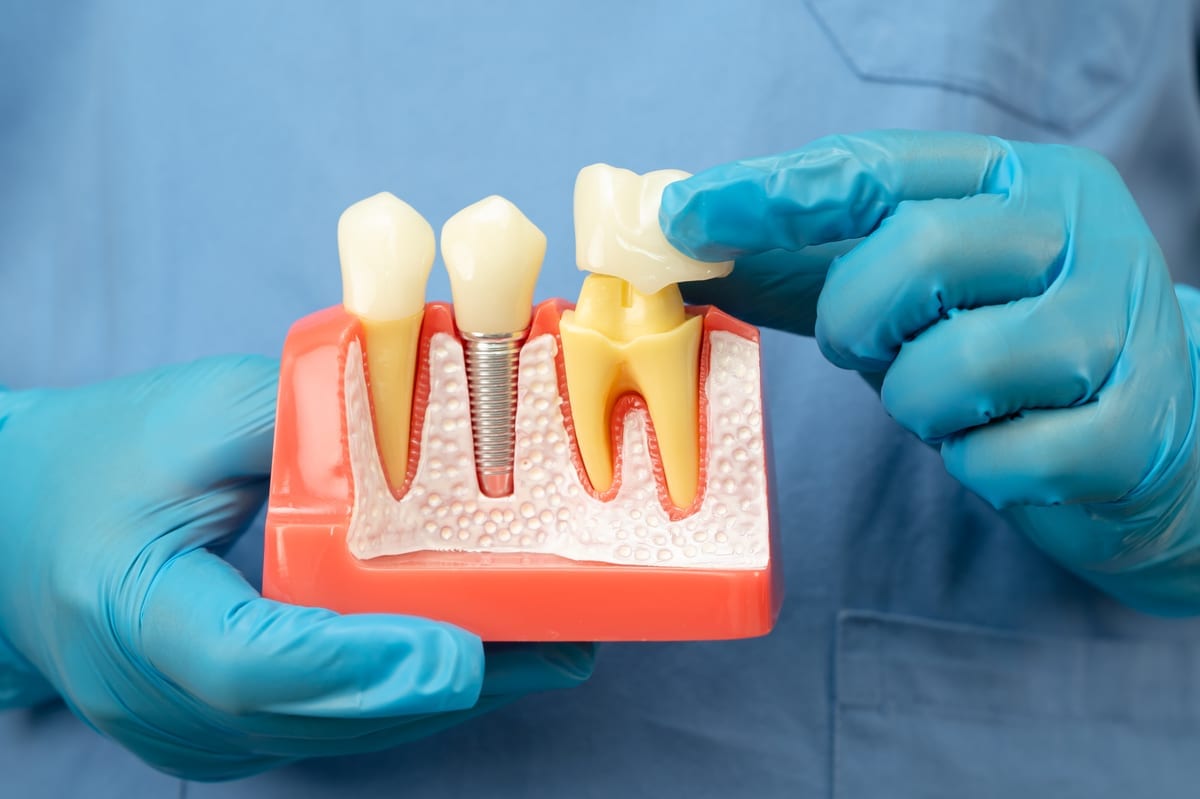
Not all teeth are built the same. Front teeth, called incisors and canines, typically have a single root with one canal. That makes treatment more straightforward and generally less time-consuming. Molars, on the other hand, sit at the back of your mouth and have two to four roots — sometimes more.
Each root contains a canal that must be cleaned, shaped, and sealed. More canals mean more work, more time in the chair, and higher treatment costs. Premolars fall somewhere in the middle, with one or two roots depending on their position.
This is the single most consistent reason why root canal costs vary so much between teeth. A front tooth and a lower molar are simply different procedures, even though they share a name.
Complexity and Anatomy Affect Every Root Canal Case
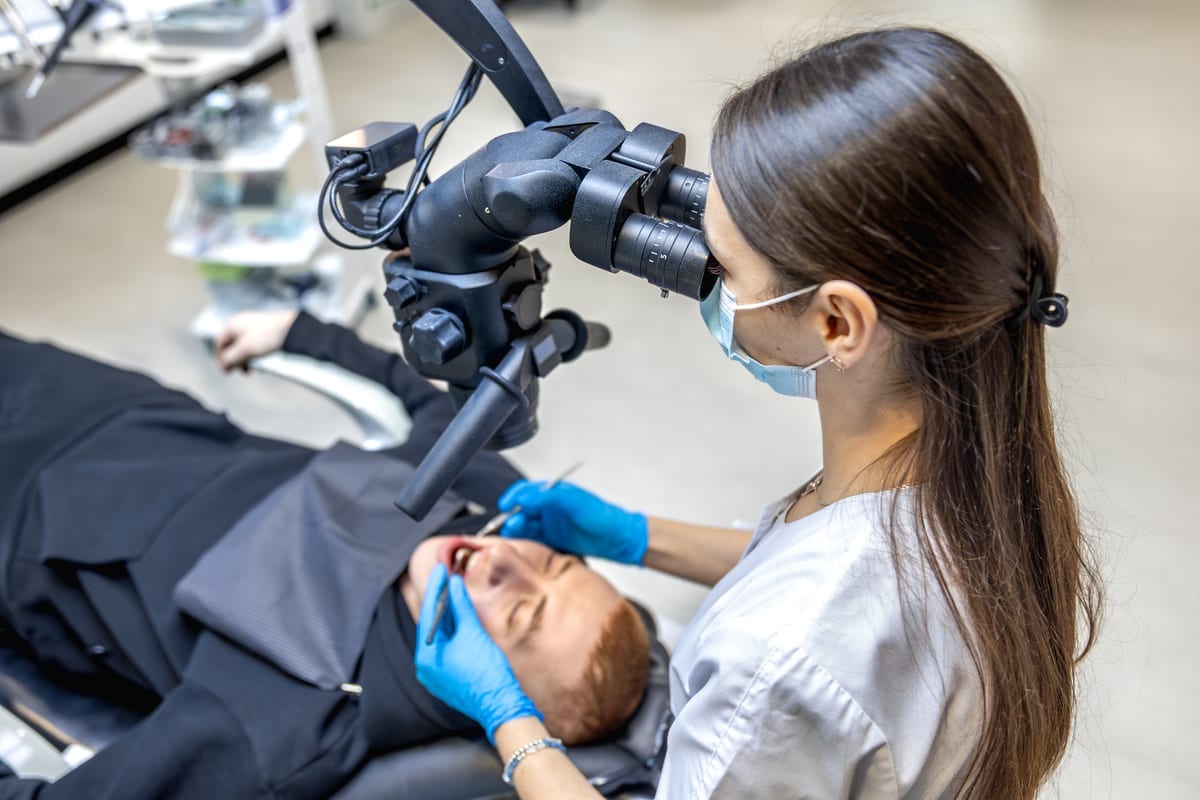
Even within the same tooth type, no two mouths are identical. Some canals curve sharply or branch unexpectedly. These anatomical variations demand more precision and specialized instruments. Dr. Mead may need to use digital imaging to map the canal system before treatment begins.
Calcified canals present another challenge. Over time, some canals narrow or harden due to age or prior dental work. Navigating these requires additional skill and time. A calcified molar canal is far more demanding than a straightforward one.
Curved or unusually narrow canals also increase the risk of complications during treatment. Managing that complexity carefully protects your long-term oral health. It also reflects why two patients getting a root canal on the same tooth type may receive different quotes.
- Single-rooted teeth — Typically simpler, fewer canals to treat
- Multi-rooted teeth — More canals, more time, greater complexity
- Calcified canals — Require specialized techniques and tools
- Curved root anatomy — Demands precision instrumentation throughout
- Prior dental work — Existing posts or crowns can complicate access
General Dentist vs. Specialist: What It Means for Your Cost
Another major factor is who performs the procedure. Endodontists are specialists who focus exclusively on root canal treatment. Because of their advanced training, their fees are typically higher than those of a general dentist performing the same procedure.
However, many general dentists — including Dr. Alan Mead — are highly skilled at performing root canals on front and premolar teeth. Straightforward cases handled in a general dentistry setting are often more accessible in terms of cost. Complex molar cases or unusual anatomy may still benefit from specialist referral.
Choosing a trusted Family Dentistry Saginaw provider for your root canal evaluation is a smart first step. Dr. Mead will assess your case honestly and recommend the most appropriate level of care. Transparency is part of how he approaches every patient conversation.
What Happens After the Root Canal Also Affects Total Cost
The root canal procedure itself is only part of the picture. After treatment, the tooth typically needs a permanent restoration to function properly. In most cases, that means a dental crown placed over the treated tooth.
A crown protects the weakened tooth structure and restores its ability to bite and chew. Without it, the tooth is vulnerable to fracture. This follow-up restoration adds to the overall investment in your oral health.
Some teeth may need a post placed inside the canal before a crown can be fitted. This is especially common when significant tooth structure has been lost. These restorative steps are separate from the root canal itself but are essential to a complete outcome.
- Root canal procedure — Initial treatment to remove infected pulp
- Temporary filling — Placed immediately after the procedure
- Dental crown — Protects and restores the treated tooth long-term
- Post and core buildup — Required when significant structure is missing
- Follow-up X-rays — Confirm healing and long-term success
How Urgency and Infection Severity Play a Role
The condition of your tooth at the time of treatment matters too. A tooth caught early — before infection has spread significantly — tends to be more straightforward to treat. Advanced infections may require additional steps before or during the procedure.
Severe swelling or abscess formation can complicate access and extend treatment time. In some cases, Dr. Mead may need to prescribe antibiotics before proceeding. This preparatory phase is necessary for your safety, but it does add to overall care time.
Emergency root canals — performed outside regular scheduling due to acute pain — may also be priced differently from planned procedures. If you’re experiencing tooth pain in Saginaw, don’t wait. Early treatment is almost always simpler and less costly than delayed care.
Root Canal Treatment and the Bigger Picture of Your Oral Health
Root canal treatment doesn’t exist in isolation. It’s part of a broader approach to preserving your natural teeth and maintaining your smile. Dr. Alan Mead takes a whole-mouth view of your dental health at every visit.
Patients who maintain regular cleanings and checkups often catch problems before they reach the root canal stage. Consistent preventive care reduces the likelihood of advanced decay and infection. That investment in prevention often pays off significantly over time.
Root canal therapy can also connect to cosmetic goals. A tooth saved through treatment may later be a candidate for cosmetic work. Exploring Cosmetic Dentistry Saginaw options with Dr. Mead gives you a full picture of what’s possible after your tooth has healed.
What to Expect When You Come in for a Root Canal Evaluation
Knowing what drives root canal costs helps, but every case needs a personal evaluation. Dr. Mead will take digital X-rays and examine your tooth thoroughly. From there, he’ll explain exactly what your specific situation requires.
He’ll walk you through the tooth anatomy involved, the number of canals present, and any complexity factors he identifies. You’ll leave the consultation with a clear understanding of the procedure and its scope. No surprises — just straightforward, honest communication.
At Mead Family Dental Saginaw, we want you to feel informed and supported at every stage of care. Whether you’re in pain right now or planning ahead, we’re here to help you make the best decision for your smile. Book Now to schedule your appointment with our team.
Frequently Asked Questions
Why does a molar root canal cost more than a front tooth root canal?
Molars have two to four roots and multiple canals, while front teeth typically have just one. More canals mean more treatment time and greater technical complexity. That difference in anatomy directly drives the difference in cost between tooth types.
Does the severity of the infection change the cost of treatment?
Yes, it can. Advanced infections or abscesses may require additional steps before treatment begins, such as antibiotics or drainage. More complex cases take longer to treat, which is reflected in the overall cost of care.
Is a dental crown always needed after a root canal?
In most cases, yes. A crown protects the treated tooth from fracture and restores normal function. Front teeth with minimal damage may sometimes be restored differently, but molars almost always require a crown to remain functional long-term.
Can Dr. Mead perform root canals, or will I be referred to a specialist?
Dr. Alan Mead performs root canal treatment for many cases at Mead Family Dental Saginaw. More complex cases involving severely curved canals or advanced anatomy may be referred to an endodontist. He’ll give you an honest recommendation based on your specific tooth and situation.
How do I know if I need a root canal or a different treatment?
Common signs include persistent tooth pain, sensitivity to heat or cold, swelling near the tooth, or discoloration. Only a dental examination with X-rays can confirm the diagnosis. If you’re experiencing any of these symptoms, schedule an evaluation as soon as possible to prevent the issue from worsening.