Mead Family Dental


A bright, white smile can definitely put you in a confident position and even enhance your looks. However, for those with sensitive teeth, the whitening procedure may look intimidating. Teeth can be sensitive during whitening procedures; however, if done correctly, there’s no reason why you can’t whiten your sensitive teeth. Whether you want to whiten your teeth professionally or at home, it is crucial that you know the proper way to whiten sensitive teeth.
If you are considering teeth whitening or have tried it before and felt tooth sensitivity, you are definitely not alone. Many patients with sensitive teeth want safe and effective methods for this service so their smile looks brighter without damaging their teeth. In this blog, you will learn why considering sensitivity is important during whitening, along with tips for whitening sensitive teeth.
Why Does Tooth Sensitivity Matter During Whitening?
To understand how a teeth whitening treatment can affect sensitive teeth, one needs to understand the underlying cause of tooth sensitivity. Tooth sensitivity occurs when the enamel wears down due to a number of tooth-related disorders that expose the dentin. When this happens, it increases sensitivity to hot or cold foods.
During teeth whitening in Saginaw, MI, the chemicals used penetrate the enamel to remove stains, sometimes irritating the exposed dentin surface and causing discomfort. If you have sensitive teeth, you should exercise extra care to ensure the procedure is effective without causing excessive pain.
Effective Ways to Whiten Sensitive Teeth
The best way to whiten sensitive teeth depends on your sensitivity level and personal preferences. Here are a few tips to help you brighten your sensitive teeth for a brighter smile without any discomfort:
1. Choose Professional Teeth Whitening for Sensitive Teeth
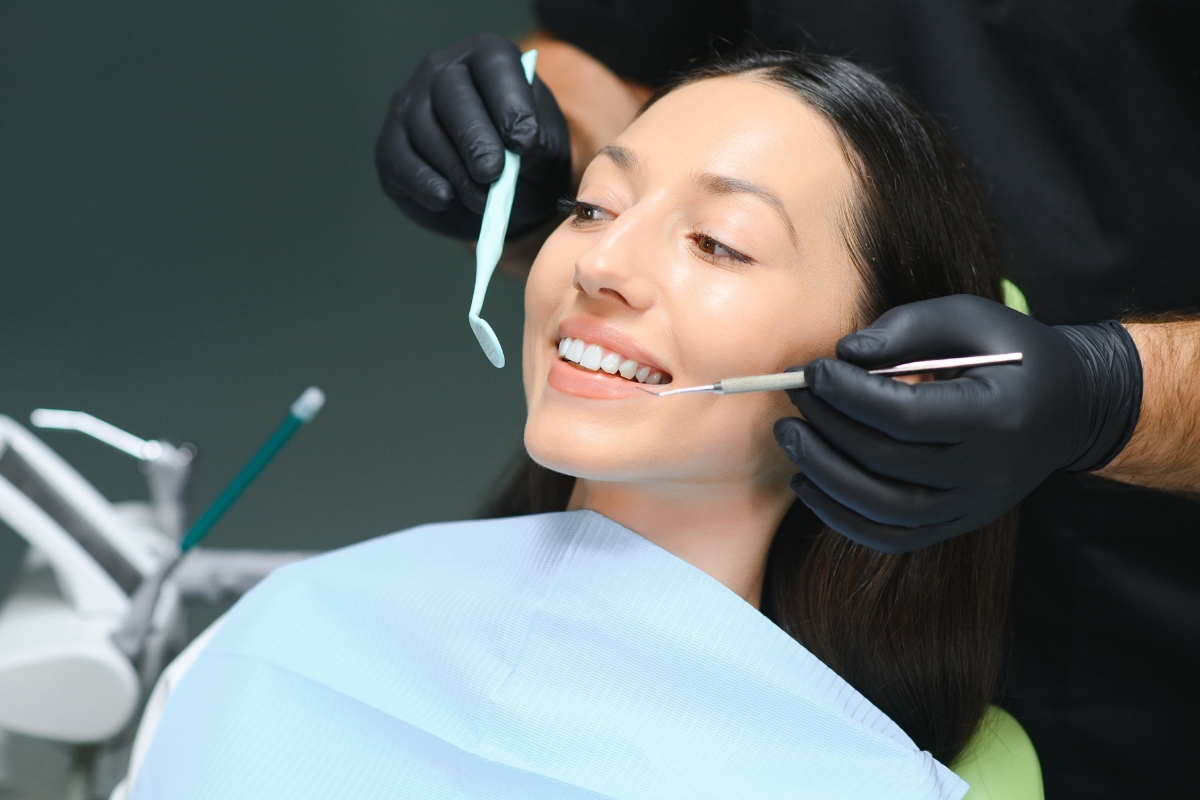
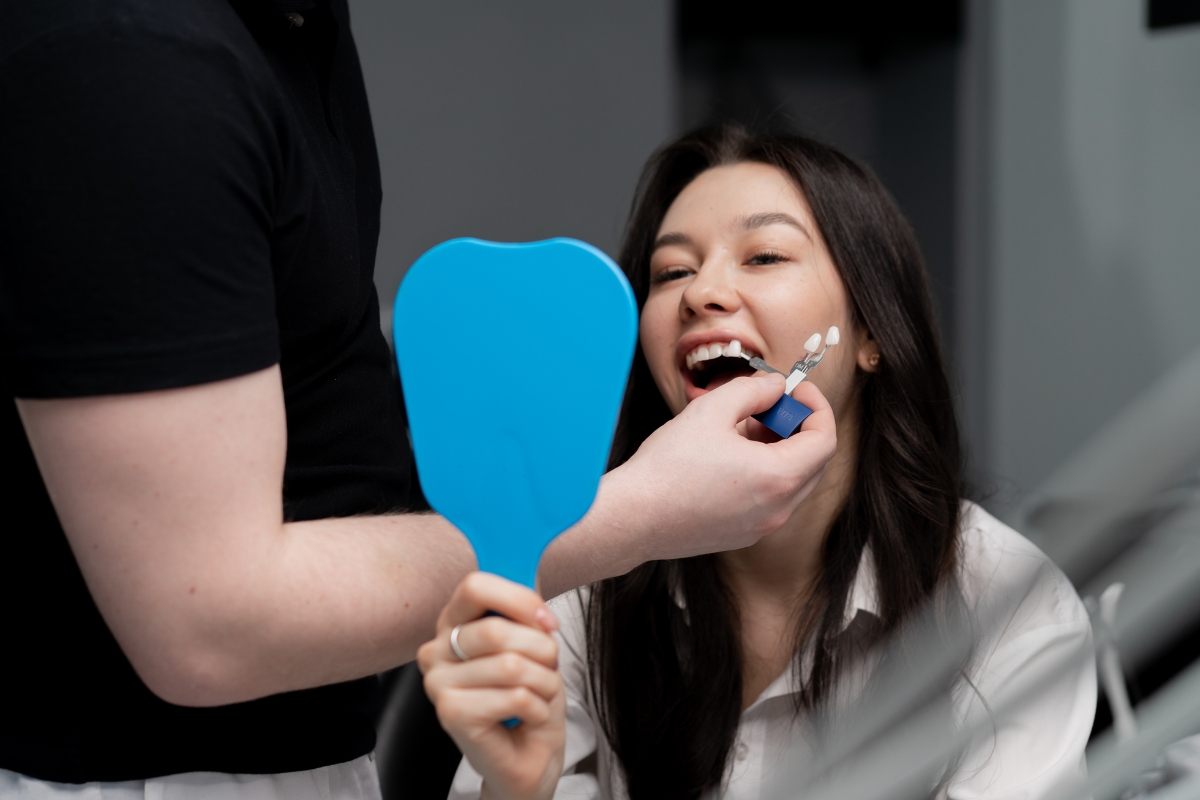
Professional teeth bleaching systems designed for people with sensitive teeth use controlled methods to ensure minimal discomfort. You can also take advantage of a treatment customized by a cosmetic dentist, which can address your specific concerns. You should note that teeth bleaching products contain higher concentrations of bleaching compounds when you visit a dental clinic; however, these products are carefully applied to prevent irritation to your gums and teeth.
2. Consider Best Whitening Strips for Sensitive Teeth
If you think about trying treatments for sensitive teeth in the comfort of your home, you could search for the best whitening strips for sensitive teeth. These teeth bleaching strips would have lower levels of hydrogen peroxide or carbamide peroxide, reducing the risk of irritation and discomfort.
3. Avoid Over-Whitening
Over-whitening may increase sensitivity. If your teeth are overly whitened, your enamel may become thinner and more susceptible to sensitivity. To avoid this, it is recommended that you adhere to the recommended whitening time, whether you are undergoing a professional whitening treatment or using home products. Pacing your whitening treatments allows your teeth time to recover if you feel any discomfort.
4. Desensitization Treatments
Before and after your whitening treatment, it would be best to discuss desensitizing solutions with your cosmetic dentist. Desensitizing solutions can help prevent tooth sensitivity during and after the whitening process. Some desensitizing solutions that come with professional whitening products will be applied to your teeth following a whitening treatment.
5. Use Fluoride Toothpaste
Fluoride toothpaste is another excellent way to address sensitivity. Using a toothpaste specifically formulated for sensitive teeth will go a long way toward strengthening enamel and minimizing discomfort. Fluoride toothpastes containing potassium nitrate are known to calm down the nerve endings present in the teeth.
Tips to Maintain Comfort During the Whitening Process
Whitening might be an exhilarating way to achieve a brighter, healthier smile, but it’s always very important to stay comfortable throughout this process. Here are some extra tips:
- Consider Professional Whitening: The best way to whiten your teeth is to consult a professional who can use their years of knowledge to enhance your smile.
- Slowly Start: If you are using over-the-counter whitening products, start by gently whitening your teeth and gradually increase the time you leave them on.
- Consult Your Dentist: If you feel discomfort that doesn’t resolve while whitening at home, consult your cosmetic dentist immediately.
- Refrain from Trigger Foods and Drinks: After whitening, it’s recommended to avoid foods and beverages that trigger sensitivity. For the first 24 to 48 hours after whitening, it’s recommended to drink lukewarm beverages and eat soft foods.
Your Way to a Whiter Smile Begins Here
Having a bright, white smile is possible for people with sensitive teeth, but it is important to do so with care and consideration. You can opt for professional teeth whitening for sensitive teeth or for at-home whitening kits designed for sensitive teeth, so you will not feel discomfort and still have a radiant smile. All the tips described above will help you have a white smile with minimal sensitivity.
If you are in the Saginaw, MI area and considering bleaching treatments for your teeth, call us at Mead Family Dental today to book an appointment. Our caring and professional team is always ready to walk with you every step of the way, so the whitening procedure is comfortable for you.
Questions People Ask About Teeth Whitening
1. What causes teeth sensitivity during whitening?
Teeth whitening can cause sensitivity when bleaching agents irritate the underlying dentin. Sensitive teeth have exposed areas, making them more vulnerable to discomfort during treatment.
2. Can I use whitening strips if I have sensitive teeth?
Yes, but it’s important to choose strips specifically designed for sensitive teeth. These products contain lower concentrations of bleaching agents and often include ingredients that help protect enamel.
3. How long will tooth sensitivity last after whitening?
Sensitivity usually lasts for a few hours to a few days after treatment. If it persists, consult your cosmetic dentist, as they can suggest desensitizing treatments or modify your whitening plan.
4. Is professional whitening better for sensitive teeth?
Yes, professional whitening allows for more controlled and customized treatment. Cosmetic dentists use stronger formulas, but they also provide additional desensitizing options to minimize discomfort.
5. How often should I whiten my teeth with sensitivity?
It’s best to whiten teeth less frequently if you have sensitivity. A professional can guide you on the ideal schedule based on your specific needs and the severity of your sensitivity.
6. Are there alternative whitening options for sensitive teeth?
Yes, if traditional whitening methods are too harsh, your cosmetic dentist can recommend alternative treatments such as low-concentration gels or even teeth whitening with a focus on maintenance rather than dramatic change.